










Uvea

Specialized diagnosis and treatment for uveitis and other inflammatory eye conditions to preserve eye health.
DEPARTMENT OF

Uvea

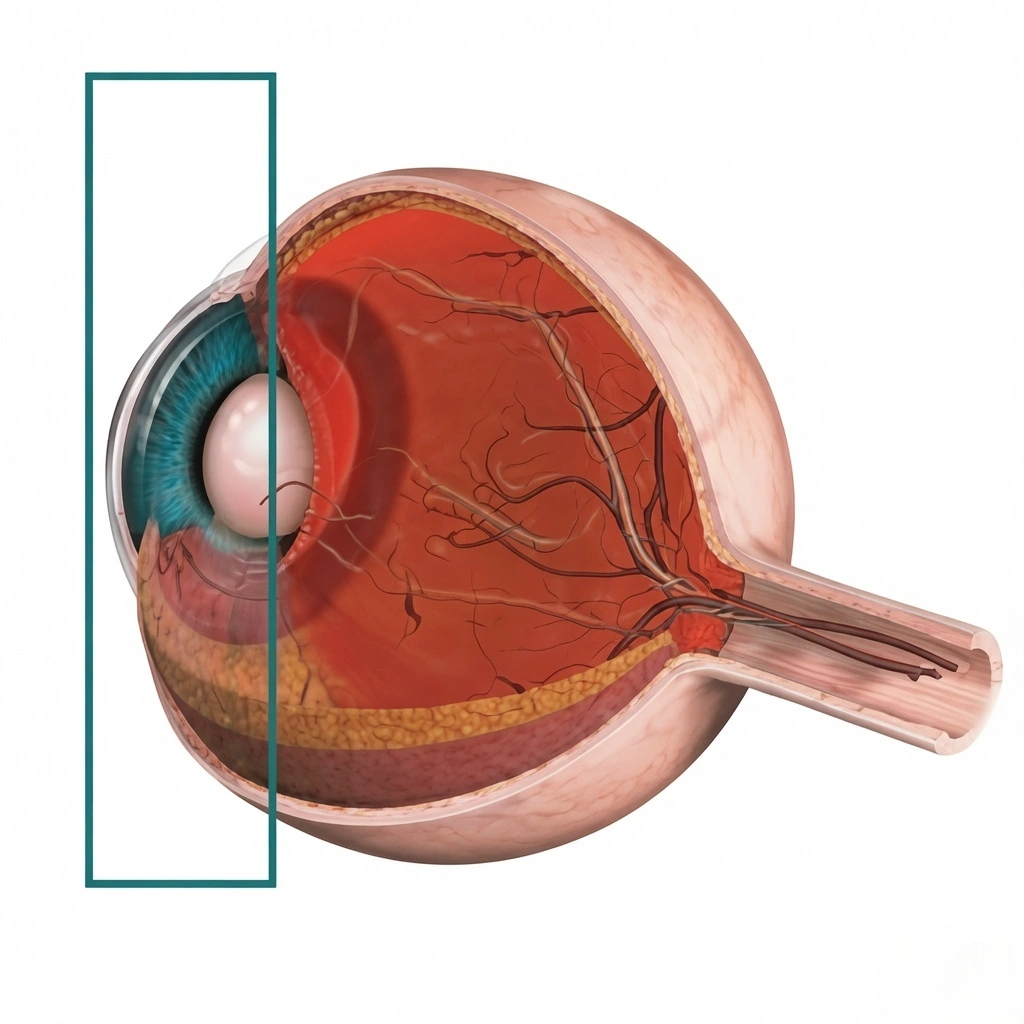
Uvea is the vascular middle coat of the eyeball and swelling of the uveal tissues by a group of inflammatory diseases is called uveitis. It can also affect the anterior structures of the eye, lens, retina, optic nerve, and vitreous, producing redness, photophobia, pain, reduced vision or blindness. Uveitis usually occurs if there is an associated systemic inflammatory disease – either an autoimmune disease or an infectious disease.


Therefore the uvea department treats their patients in close coordination with other specialists in various branches of medicine such as rheumatologists, chest physicians, infectious disease specialists, oncologists etc.


Common symptoms of uveitis include pain, redness, defective vision, floaters, and sensitivity to light (photophobia) in one or both eyes.

Meet The Doctor

PROCEDURES

Uveitis can be either:

Anterior uveitis

Intermediate uveitis

Posterior uveitis

Pan-uveitis.

Many cases of uveitis are chronic, and they can produce complications, including clouding of the cornea, cataracts, elevated eye pressure (IOP), glaucoma, or retinal detachment. Its management depends on the cause and therefore we use advanced diagnostic tools with expert care and collaborate with many other specialists to ensure that every patient receives the best possible treatment for their specific cause.

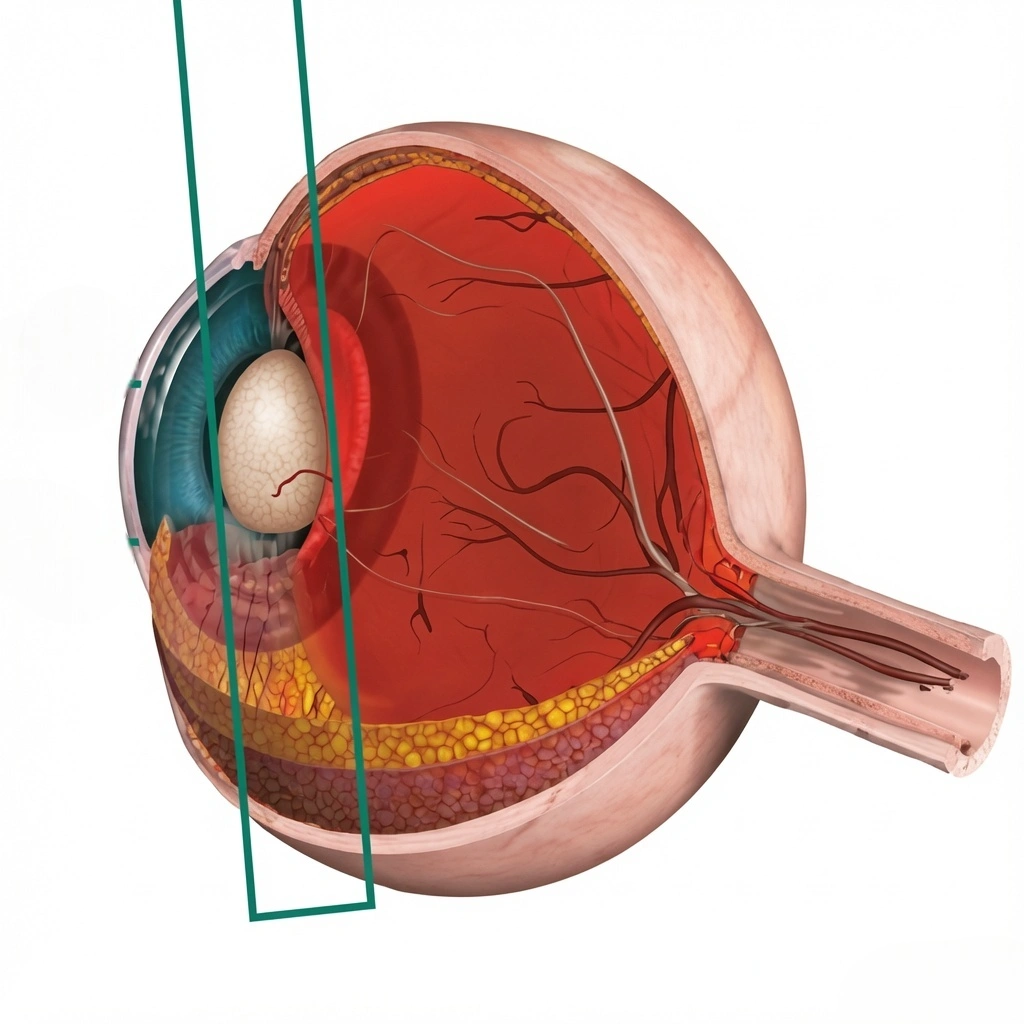
Anterior uveitis

Anterior (Iritis): Most common, affects iris (front part).
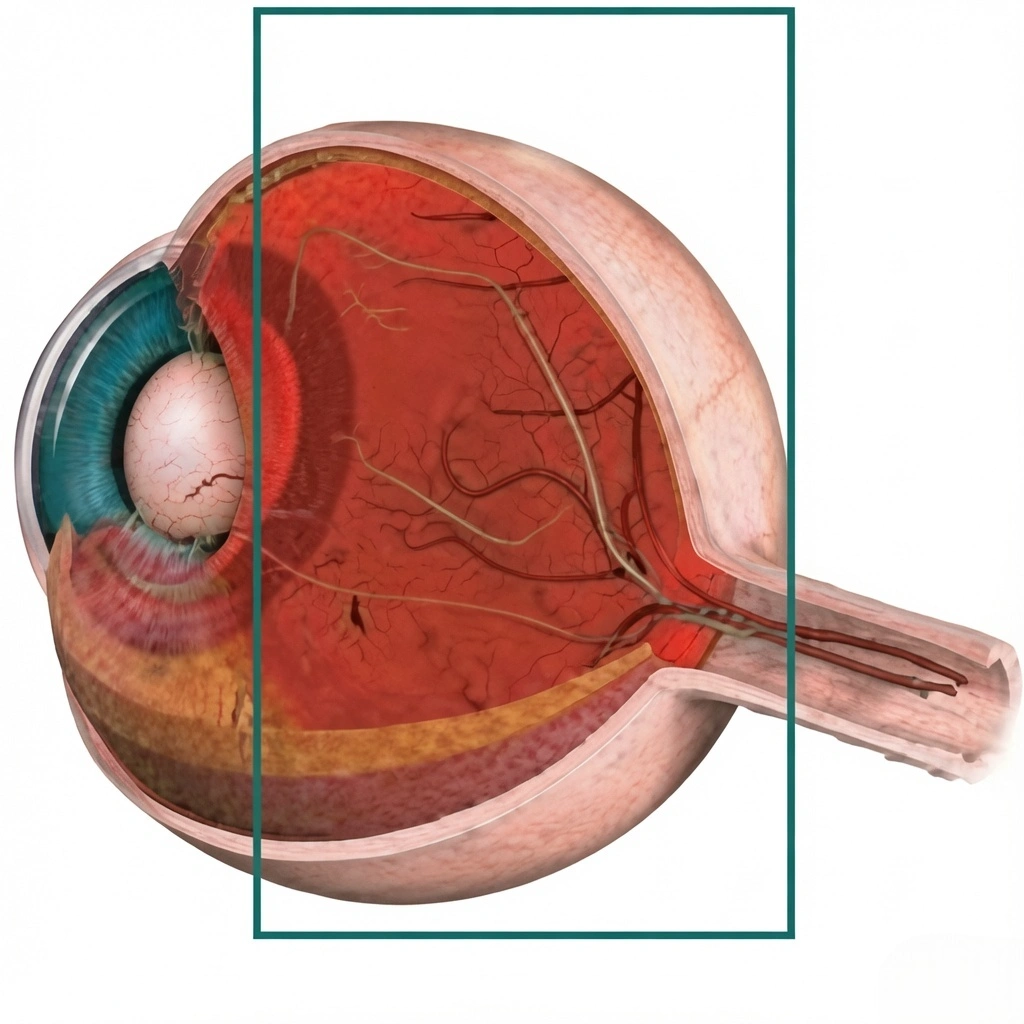
Intermediate uveitis

Intermediate (Cyclitis): Less common, affects muscles around iris.
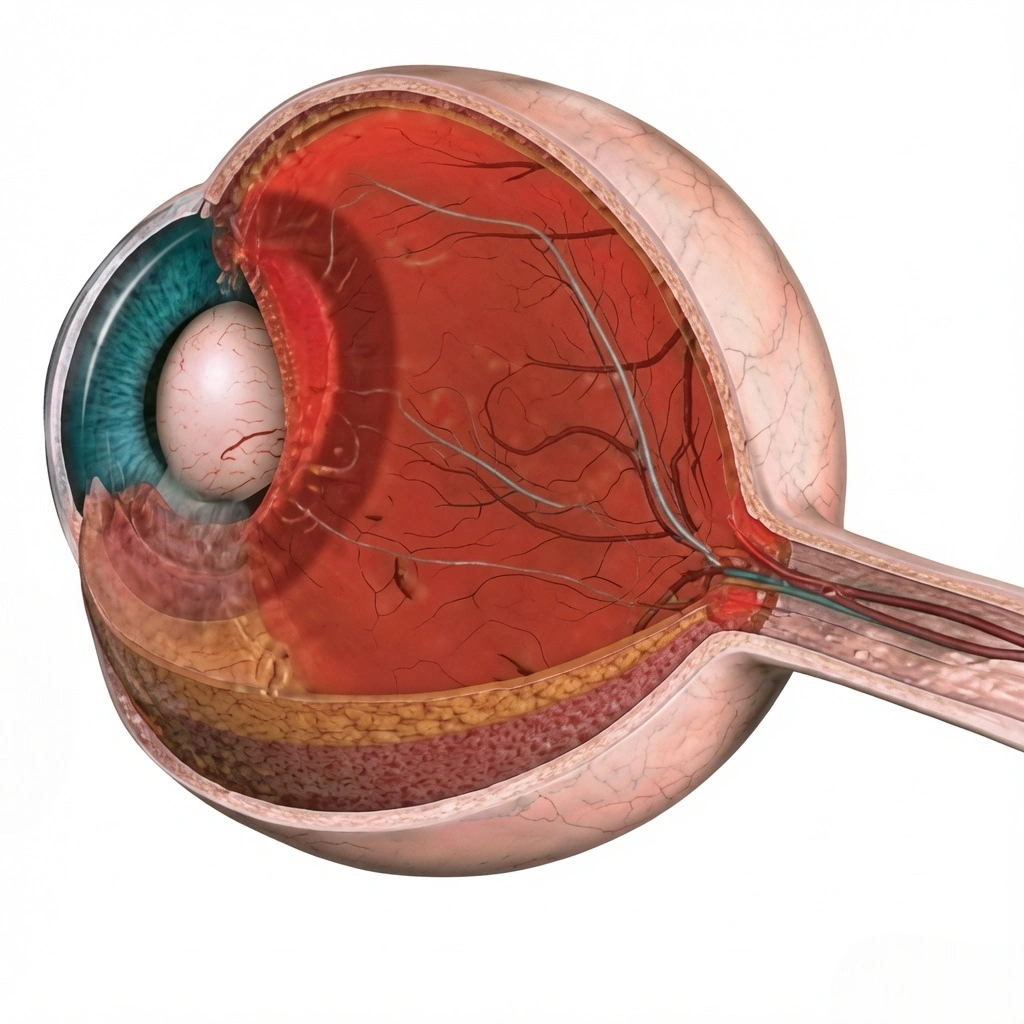
Posterior uveitis

Posterior (Choroiditis): Affects back of eye, can damage vision.
Panuveitis

Most severe, affects entire inner layer of the eye.

Instruments & Machines

Your Vision.
Our Commitment.

Advanced care. Compassionate experts. Better outcomes.

Scroll to Top